Social media loves a shortcut, and right now the shortcut getting all the love is TSA PreCheck Touchless ID. Skip the ID handoff at security checkpoints, look at a camera, keep moving. I get why that sounds great, especially with shutdown-related delays turning some airport lines into frustrating security wait times.
Still, convenience is never free. My security mindset and my past work with Homeland Security make me look at programs like this a little differently. As of March 2026, Touchless ID is a free add-on for TSA PreCheck members, it works with participating airlines, and it’s available at more than 60 participating airports. That’s useful. It’s also a moment worth pausing on, because when biometric systems become normal, we rarely get less of them later.
What TSA PreCheck Touchless Actually Does, And Why So Many Travelers Love It
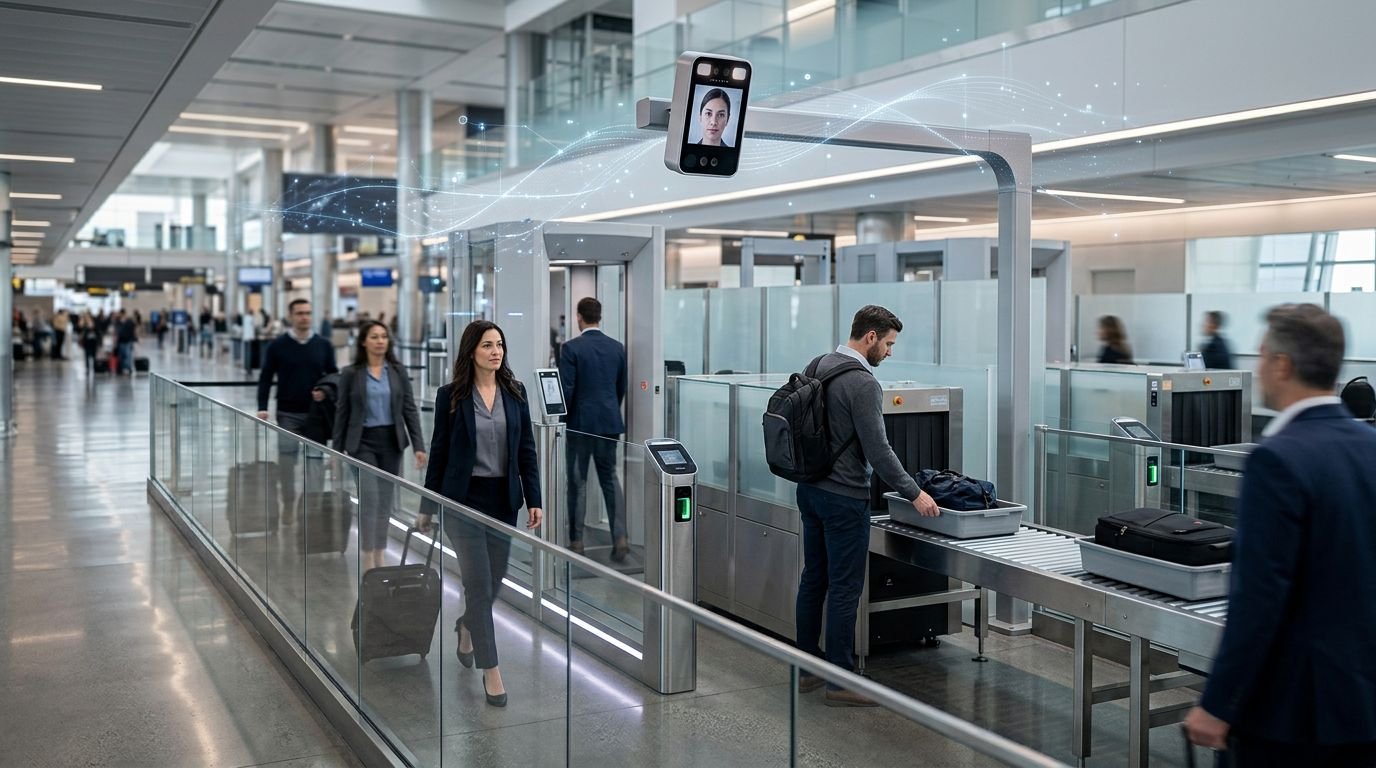
At the basic level, TSA PreCheck Touchless ID is simple. If I already have TSA PreCheck, a participating airline account with my valid passport stored in the airline app, and I opt in, I can use a touchless security lane at some airports. Then, instead of handing over my physical ID and mobile boarding pass, I look at a camera for identity verification and move through faster.
TSA’s own Touchless ID page says the TSA PreCheck Touchless ID program is optional and tied to participating carriers. As of spring 2026, TSA says it’s rolling out to 65 airports. Right now, the hype makes sense because regular security lines feel rougher than usual, and any promise of less waiting gets attention fast.
The Convenience Pitch Is Easy To Understand
If you travel often and opt in, this is an easy sell. Parents are juggling kids, bags, snacks, and phones. Business travelers are trying to make a connection. Everyone else is tired, late, or standing behind someone repacking a carry-on like they’re moving apartments.
So yes, I understand the buzz. A face scan feels easier than digging through a backpack for a license and phone. During the current funding lapse, that pitch gets even stronger because staffing pressure and longer waits make any faster option look smarter.
Touchless Still Means Biometric Collection
Here’s the part I don’t want people to blur out. This is facial identification technology, folks! Not magic. Not a harmless shortcut. A camera captures my face and matches it against data already tied to my identity, including passport information and airline records.
That matters because the privacy issue starts the second my face becomes part of the checkpoint routine. Even if the facial scan is quick, and even if the traveler experience feels smooth, my body becomes the credential.
Recent reporting from FedScoop on TSA’s planned biometric collection changes suggests the agency is looking at broader changes around collection, storage, and reuse. That doesn’t mean every scary outcome is already here. It does mean I should stop pretending this is only about shaving a minute off a line.
When my face becomes the ticket, the system starts asking me to trust more than the line speed.
My Big Concern, We Keep Trading Privacy For Speed
Stress changes how people choose. When a line is wrapped around the terminal, most folks aren’t thinking about privacy policy language. They’re thinking, “Please get me through this security lane.”
That’s normal. It’s also why convenience can become the perfect sales pitch for more data collection. The skeptical part of me, the little security superhero sense in my head, keeps coming back to the same point: once TSA PreCheck Touchless ID feels normal in one part of life, it gets easier to accept in the next.
Long Lines Make People Say Yes To Things They’d Normally Question
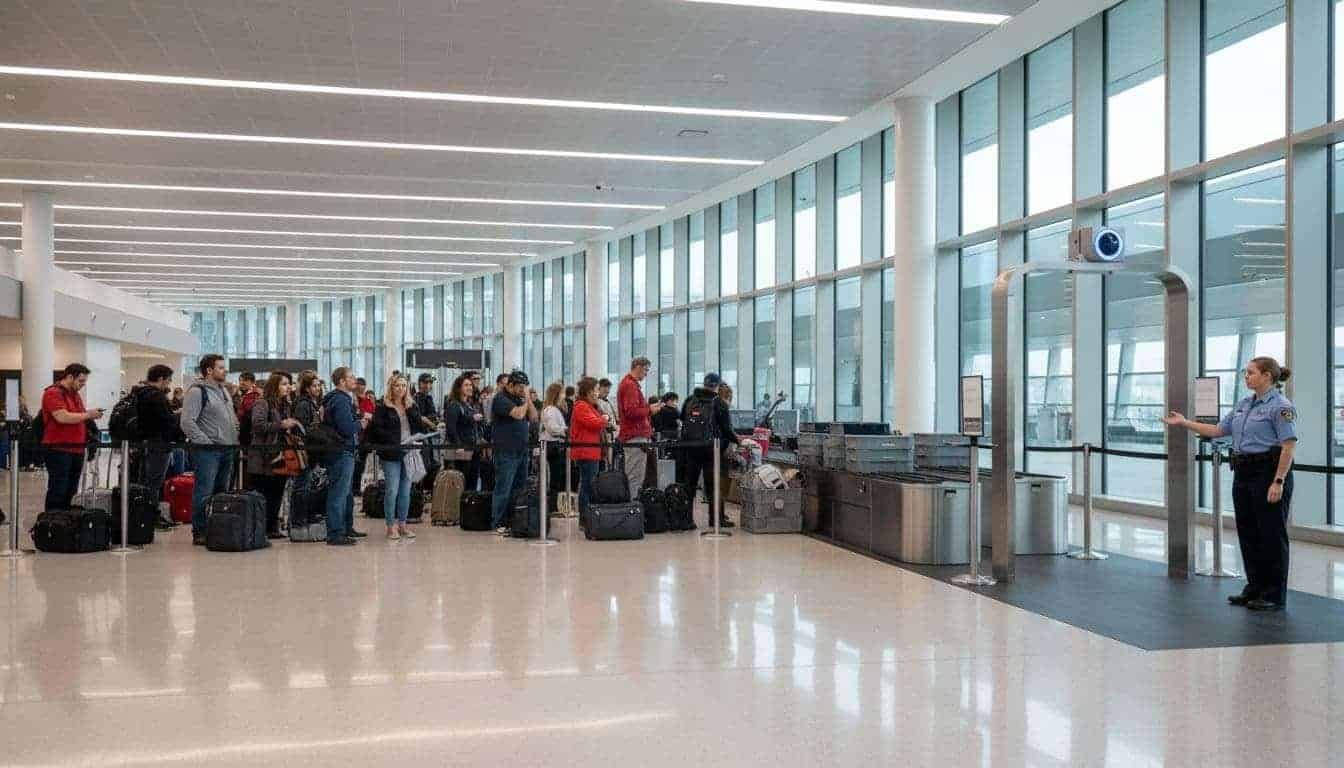
The current partial government shutdown adds pressure. TSA officers are still working, but the strain is obvious. Real-time reporting says resignations, unscheduled leave, and staffing problems have pushed wait times higher at a bad moment for travelers.
I’m not claiming the shutdown exists to push TSA PreCheck Touchless ID. I am saying it creates the perfect mood for adoption. When people feel squeezed, they accept tools they might question under calmer conditions, which is why more travelers opt in during these stressful times.
That’s why I think this moment matters. Convenience in a crisis has a way of becoming policy by habit.
Optional Today Does Not Always Mean Limited Tomorrow
I’ve watched plenty of programs start narrow and voluntary, then expand over time. That’s the plain-English version of function creep. A tool begins with one use, then picks up more uses, more sharing, and more expectations.
That risk feels more real after reports like USA Today’s coverage of TSA seeking broader biometric data use for PreCheck travelers. When I read stories like that, I start asking boring but important questions. Who gets access? How long do policies stay the same? What happens when a nice opt in option becomes the default lane everyone’s nudged toward?
Carriers like American Airlines, Delta Air Lines, United Airlines, Southwest Airlines, and Alaska Airlines are currently testing these features, often linking the biometric data to your frequent flyer profile or rewards account.
I’m not anti-tech here. I’m anti-sleepwalking.
If The Government Keeps Getting Hacked, Why Would I Want More Sensitive Data In The System
This is where the privacy concern turns into a security concern. No agency can promise perfect protection forever. That’s not cynicism. That’s basic cyber reality.
Biometric data is different from a password. If someone steals my password, I change it. If someone steals a faceprint, fingerprint, or related identity marker like travel documents, I don’t get a reset button. That makes biometric systems higher stakes by design.
Even if TSA limits what it stores from a TSA PreCheck Touchless ID scan at security checkpoints, the larger identity chain still depends on government systems, airline systems for check-in and bag drop, and vendor systems holding sensitive data like Known Traveler Numbers (KTN). That chain only needs one weak link.
### The OPM Hack Showed How Bad A Government Breach Can Get
The clearest warning sign is still the 2015 OPM breach. Attackers tied to China compromised the Office of Personnel Management and exposed about 21.5 million records. That included background investigation files, Social Security numbers, and fingerprints for 5.6 million people. The Washington Post’s reporting on the Chinese breach of OPM remains one of the clearest reminders of how serious that incident was.
That case matters here for one reason above all: the government has already lost biometric data before. Once fingerprints leaked in that breach, those people couldn’t swap in a fresh set like a new password.
SolarWinds Proved Foreign Adversaries Can Sit Inside Federal Systems For Months
Then came SolarWinds in 2020, which showed a different kind of danger. In that case, attackers linked to Russia slipped malicious code into trusted software updates. Multiple federal agencies got exposed because the supply chain itself became the entry point.
If that sounds scary, it should. It means even systems that look normal and approved can become the problem. NPR’s breakdown of the SolarWinds attack is still a solid read because it shows how long sophisticated actors can stay inside government-related environments before anyone notices.
And this isn’t old history I can shrug off. In March 2026, CNN reported on an FBI investigation into suspicious cyber activity on a critical surveillance network. Different case, same lesson. Government systems remain targets, and state-backed attackers keep hunting for openings.
A Smarter Way To Think About TSA Touchless Before I Opt In
Some travelers will look at this tradeoff and say, “Worth it.” Fair enough. I’m not here to make that choice for anyone. I’m here to say the choice should be made with eyes open.
Before I opt in, I want answers to a few simple questions. What data is used, like my Known Traveler Number or valid passport details? Who stores it? How long is it kept? What happens after a breach? Is the time I save in the security lane worth the privacy cost I might carry for years?
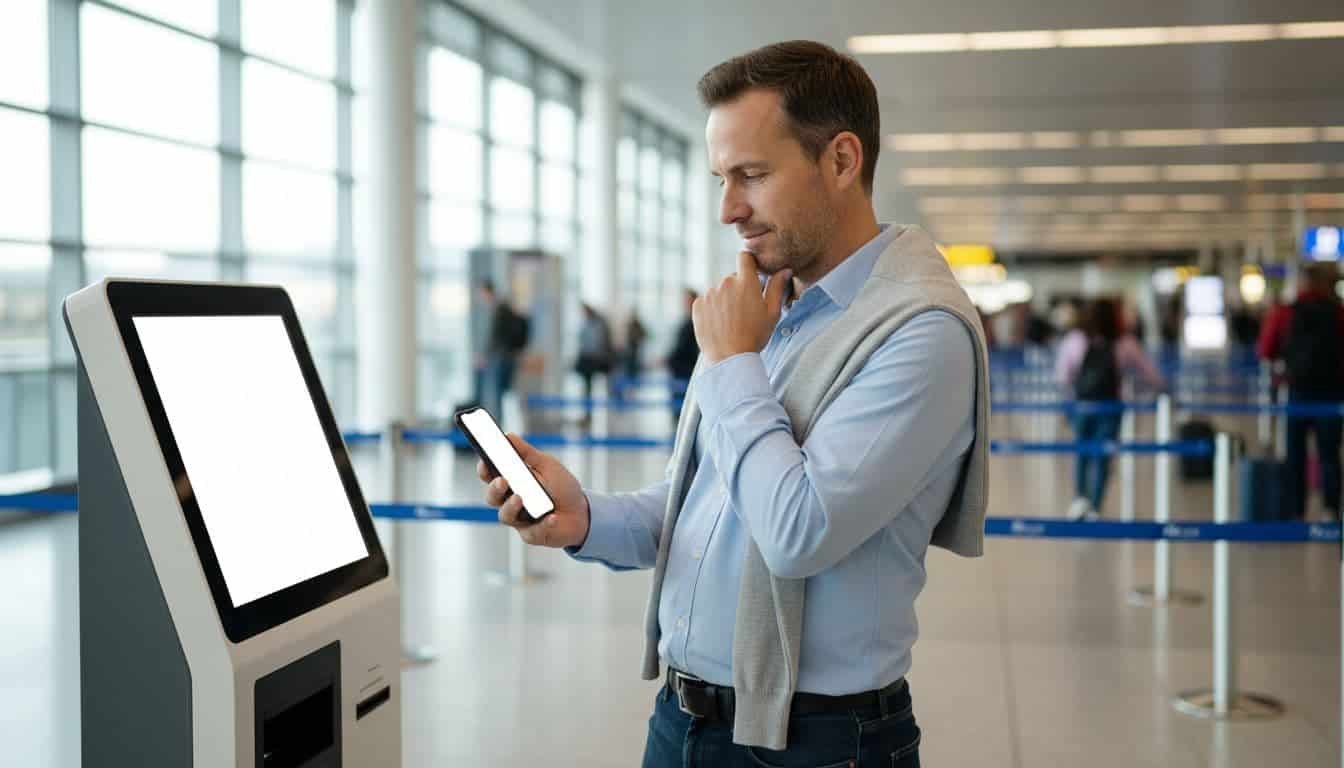
### Fast Security Lines Shouldn’t Turn Off My Critical Thinking
I use the same mindset here that I use when I teach people to spot captive portal attacks on airport Wi-Fi. Travel stress makes people click, tap, and agree too fast, especially during check-in or bag drop via the airline app with a mobile boarding pass. Attackers know that. Big systems benefit from that too.
So I slow down. I look for the TSA PreCheck symbol. I read the terms. I carry my physical ID anyway. I remind myself that privacy lost for convenience is hard to win back, even with a linked rewards account.
I’m Not Saying Never, I’m Saying Ask Better Questions
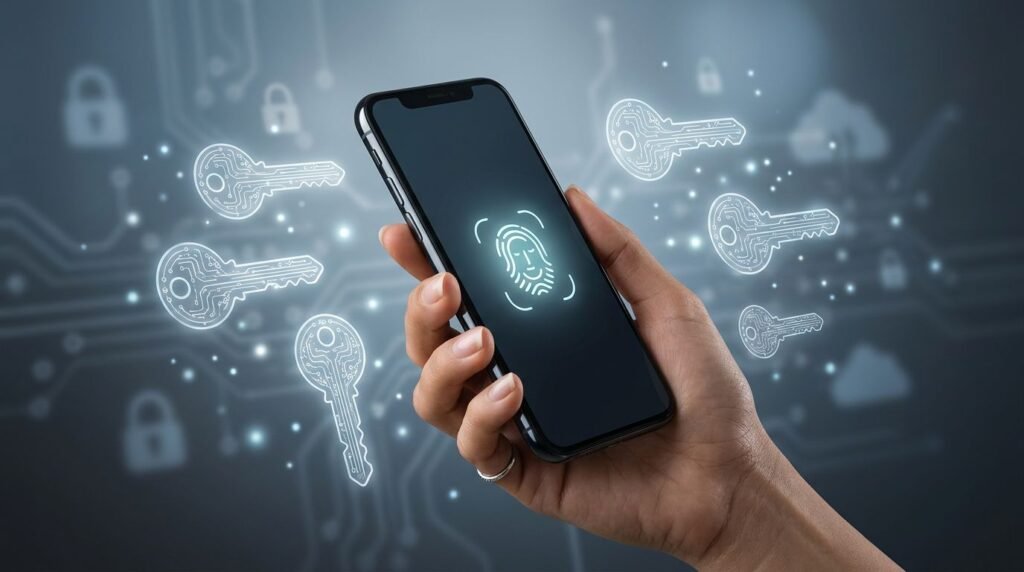
There’s also an important distinction people miss. Not all biometric tech works the same way. With biometric authentication without data sharing, like many passkey setups on your own device, your face or fingerprint often stays local and simply unlocks a cryptographic key. That’s a different model from face matching at a checkpoint tied to broader identity systems.That difference is huge!
I can be pro-efficiency and still demand hard limits, tight retention rules, strong oversight, and plain-English transparency during enrollment. Those things aren’t anti-progress. They’re the minimum.
The hype around TSA PreCheck Touchless ID makes sense, especially when airport lines are ugly, and the shutdown is making travel more frustrating at participating airports, from bag drop to the dedicated lane. Still, my cybersecurity brain keeps coming back to the same problem: every new layer of biometric identity like TSA PreCheck Touchless ID brings new privacy and breach risk with it, even when using the airline app.
I’m not against moving faster through the airport. I’m against giving up more than I realize just to save a few minutes. Before you opt in to these programs, ask those key questions. Then opt in with confidence if the answers satisfy you.